The Magic of Shadows
Hello, Focus on Nature community! Now, we do recognize that April did not have a featured blog post, which is why we are checking in with you here and now- mid-month! Don’t worry, though, there will still be the regular scheduled end-of-month blog post to honor the Springy month of May and all the fun it brings. So, let’s stop hiding in the shadows and get right into this marvelous Mid- May blog special!
So, we get that nature photography is often about capturing the beauty of light, but what about the absence of it?
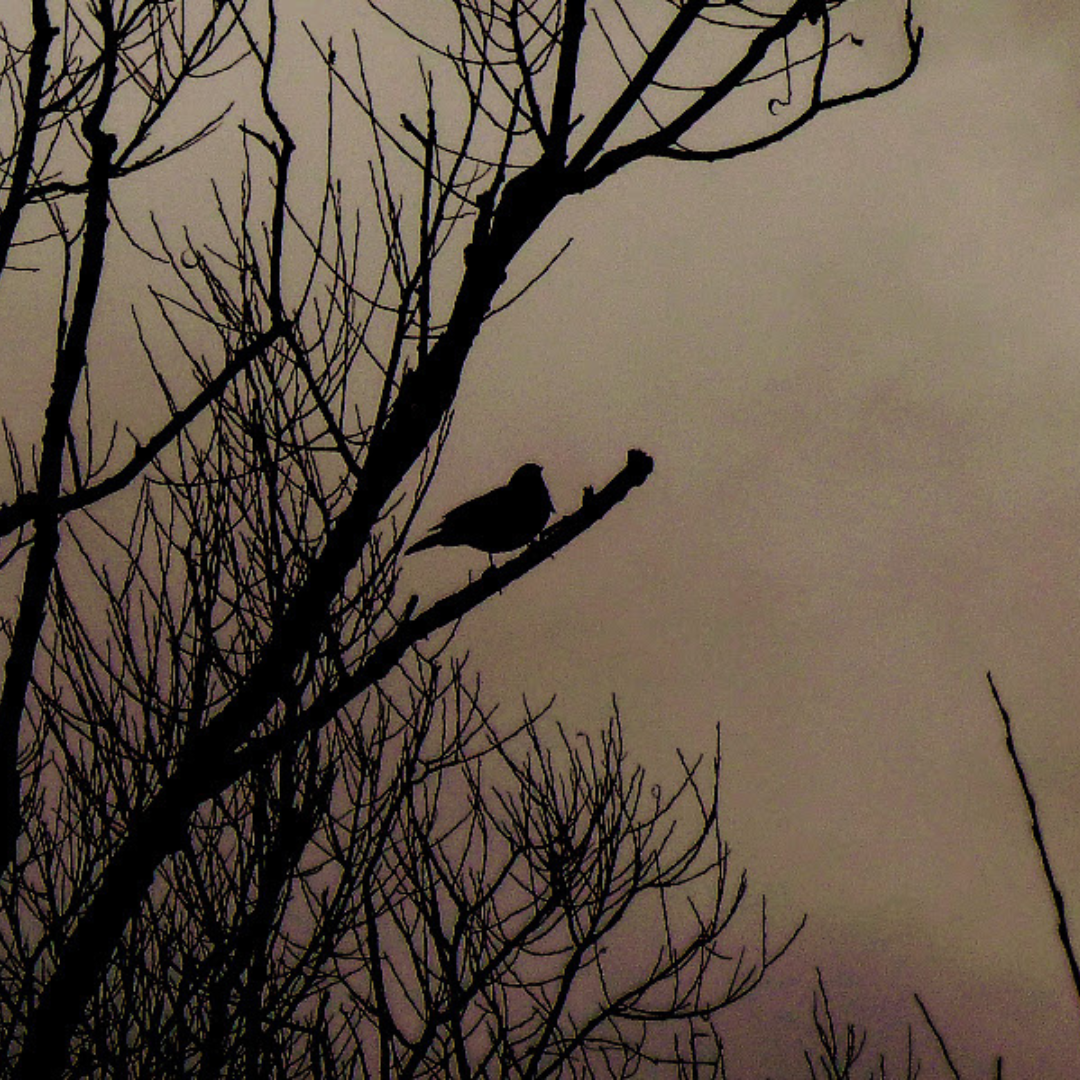
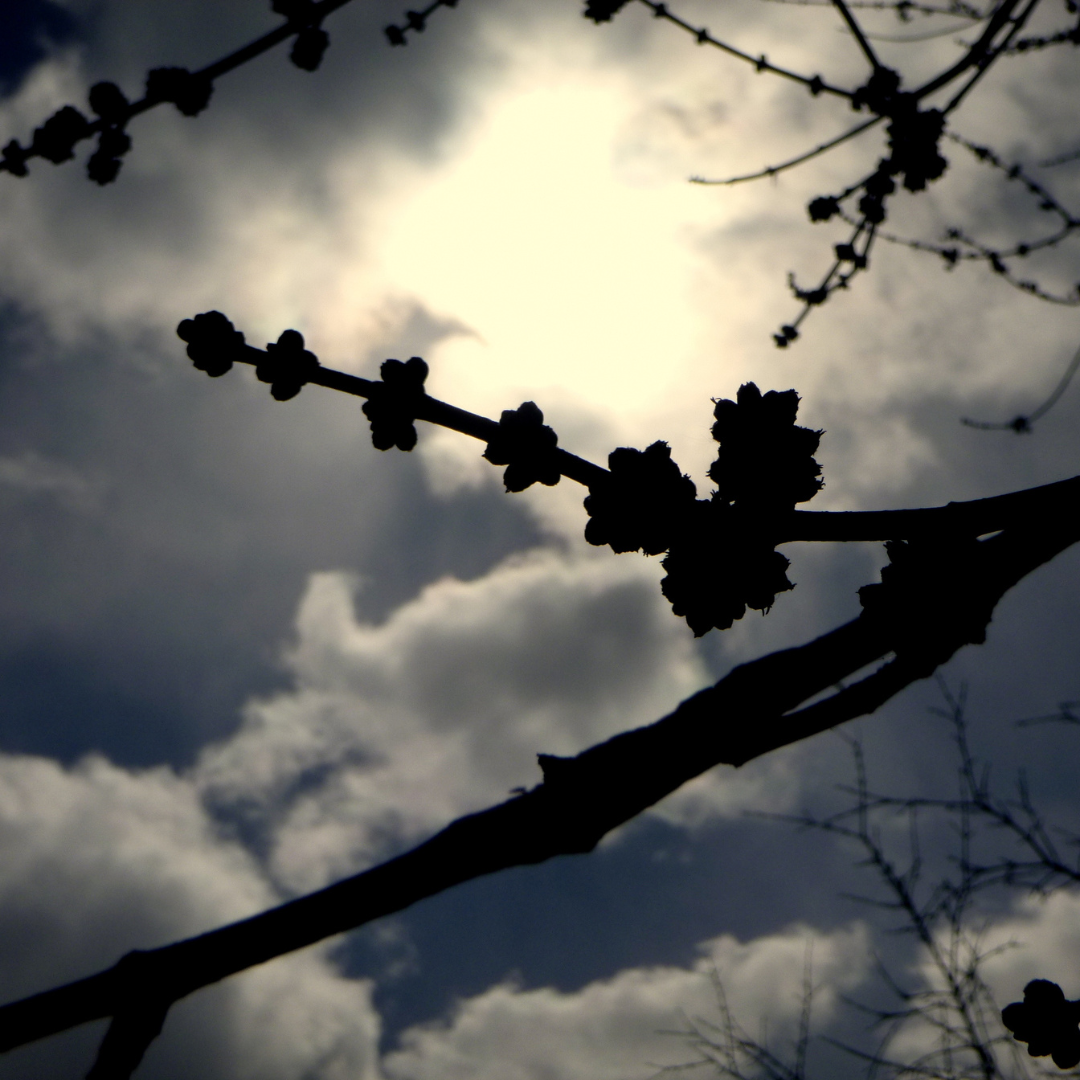
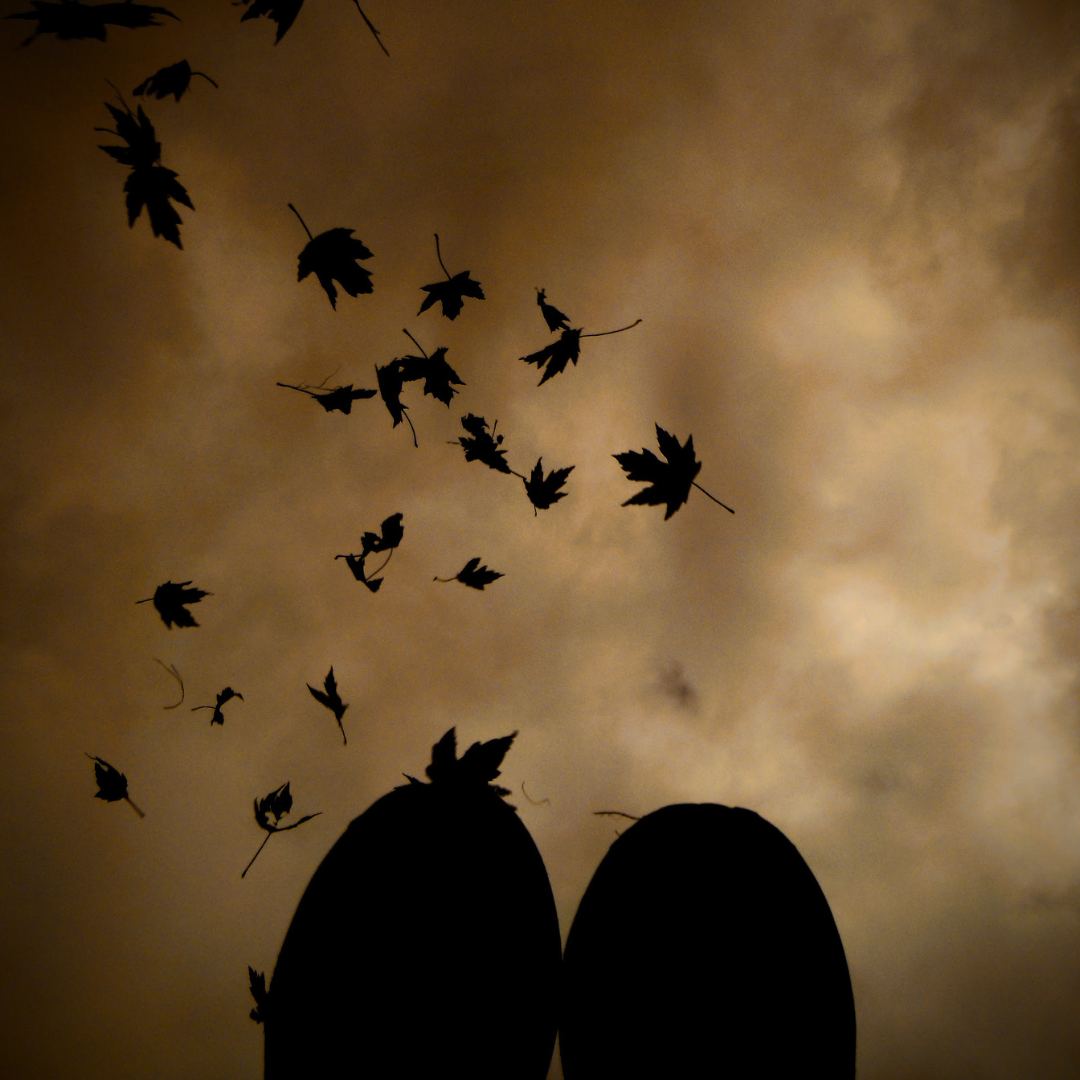
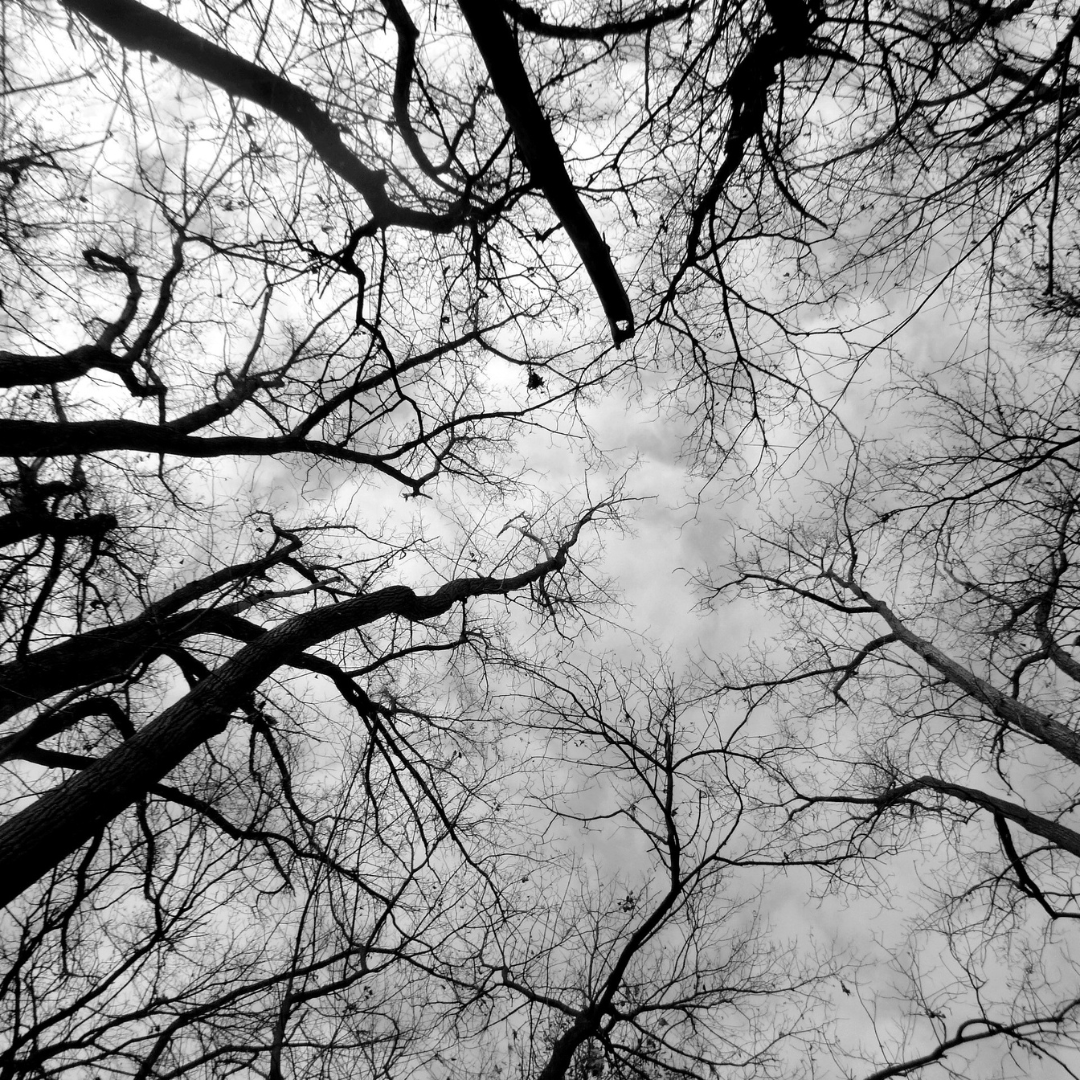
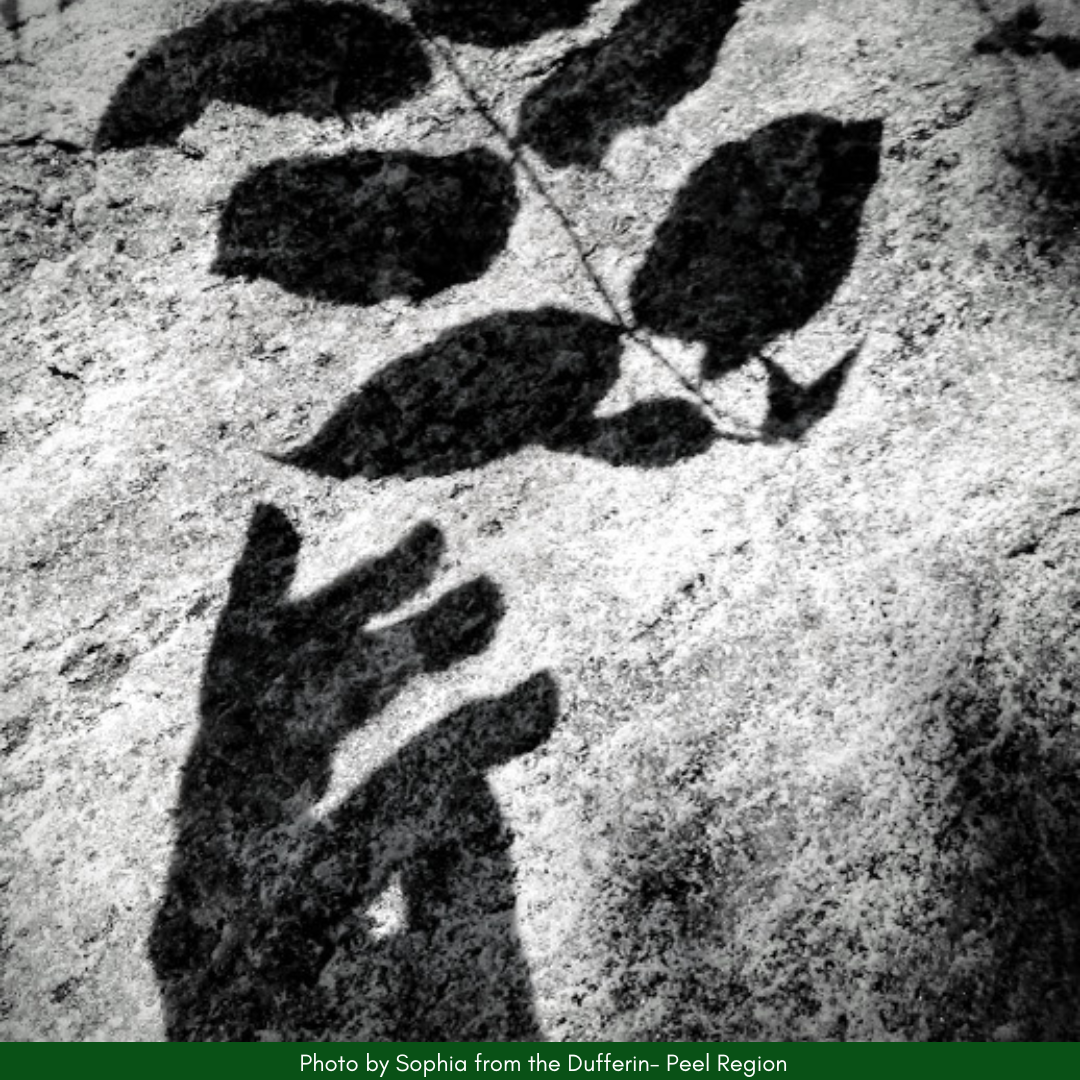
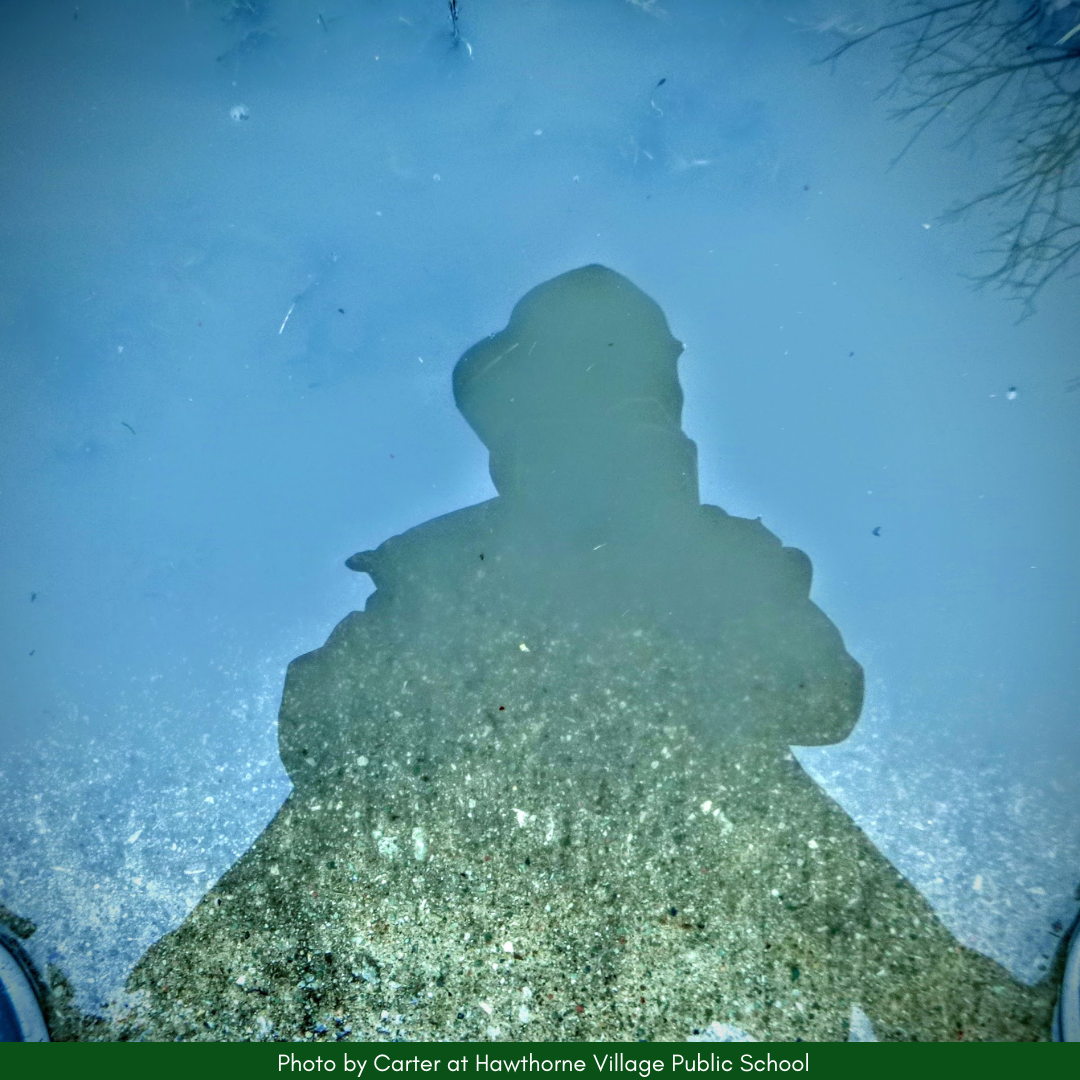
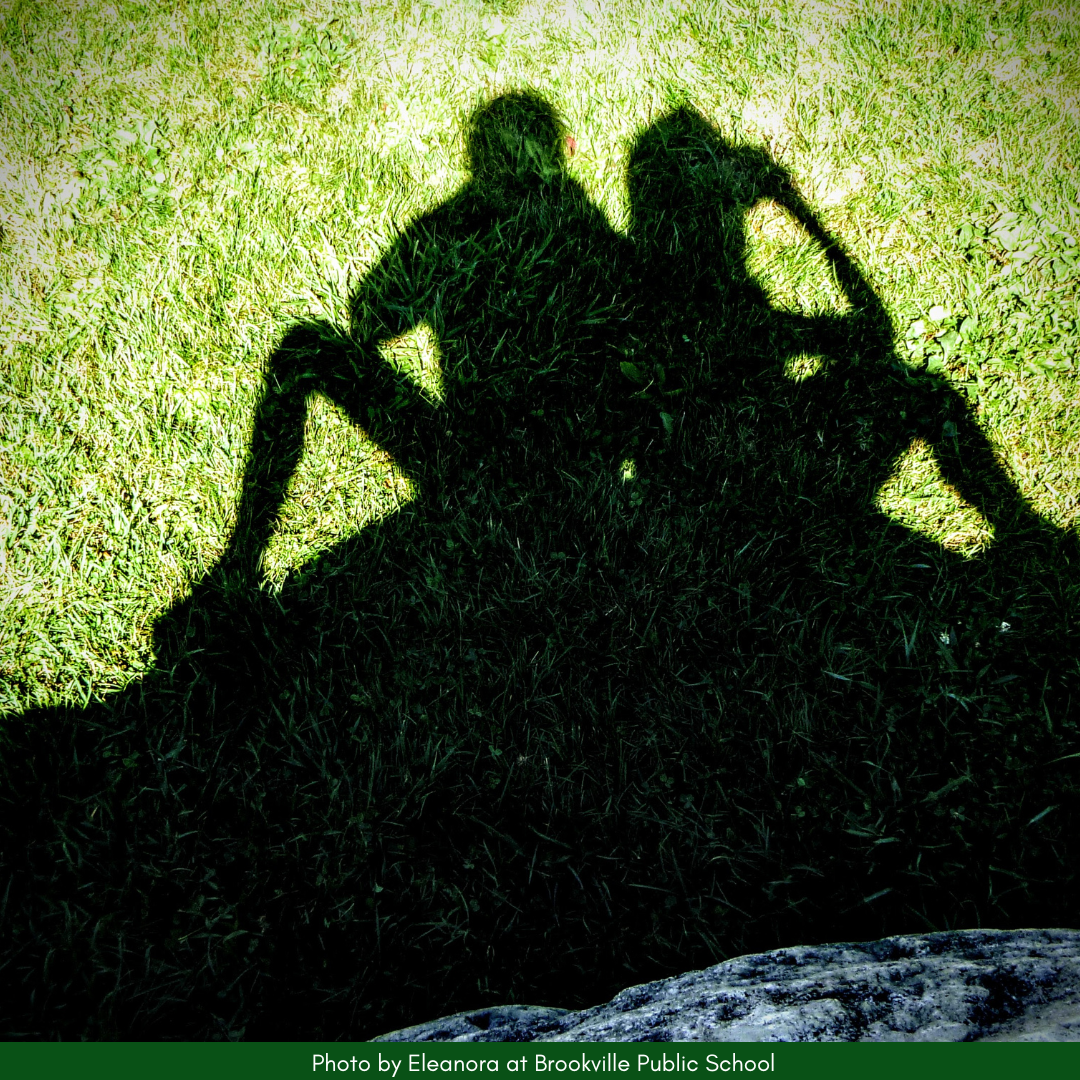
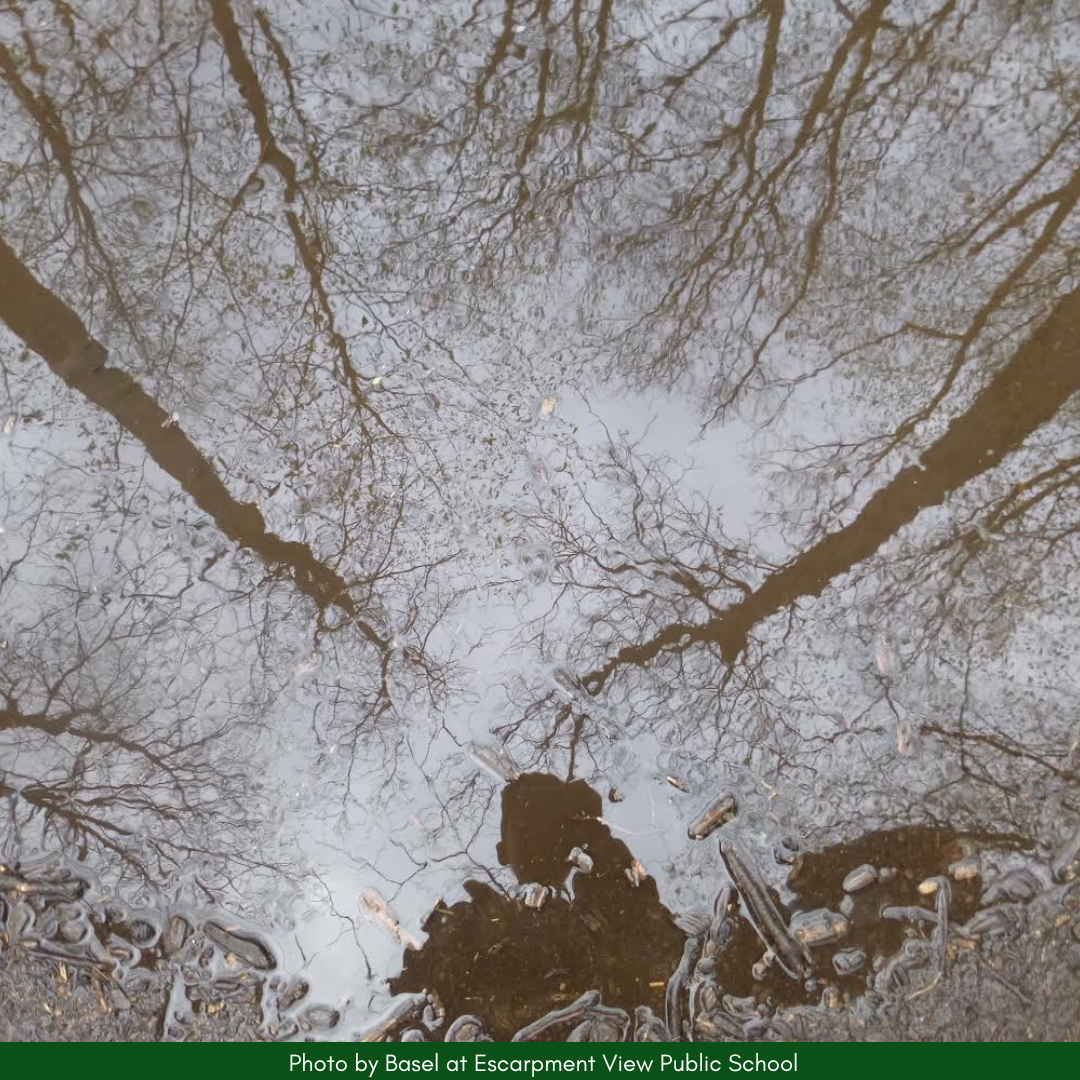
Shadows, often overlooked, can add depth, drama, and a sense of mystery to your nature photographs. Understanding how to use shadows effectively can elevate your pics from simple snapshots to captivating works of art. Just check out the different ways that students utilized shadows in their snapshots featured in this post.
First, one of the most compelling ways to use shadows is to create a sense of depth. In landscape shots, long shadows can be cast by the setting or rising sun, which can lead the viewer's eye through the scene, highlighting textures and hues that might otherwise go unnoticed.
In Macro Photography, shadows can accentuate the delicate details of a flower or insect, giving your subject a three-dimensional quality that makes it pop. We encourage you to experiment with different angles and the lighting at different times of day to see how shadows can transform a flat scene into a dynamic final product.
We know, we know, shadows surely can be a little spooky, and it’s easy to jump at your own shadow from time to time. But let us tell you that shadows are also powerful tools for creating mood and emotion. For instance, a dark, ominous shadow can add a sense of foreboding and suspense to a landscape, while soft, airy shadows can evoke feelings of tranquility and calmness. By paying attention to the quality of light and shadow, you can control the emotional impact of your images. While our workshops and summer camps traditionally take place during school day hours, the lighting available for students to work with is often limited as the rising and setting of the sun are missing. Although at our overnight summer camp that is taking place in partnership with the Headwaters Wilderness Program this upcoming summer, our campers will be heading out at dusk and dawn to play around with the shadowy aspect of nature photography. We are looking forward to shooting in the early morning or late afternoon when the light is soft and golden, and shadows are long and dramatic at the spectacular location of Algonquin Provincial Park. Registration is open, so don’t lurk in the shadows and register today!
Finally, don't be afraid to play with silhouettes. Silhouettes can be a striking way to simplify a busy photo and focus attention on the shape and form of your subject. To create a silhouette, position your subject against a bright background, such as the sky or a body of water, and expose the background. This will result in your subject appearing as a dark, featureless shape, allowing the viewer to fill in the details with their imagination. Check out the stark, show-stopping student silhouette shots below!
Overall y’all, shadows are a powerful tool that can add depth, drama, and emotion to your nature photographs, regardless of the season. By understanding how to use them effectively, you can transform ordinary scenes into captivating works of art. So next time you're out in nature, don't just look for the light – embrace the shadows and see what magic you can create. After all, a little shade never hurt anyone, and it can really *leaf* an impression! See you back here in a couple of weeks for our end-of-month blog!